
Family Farming and Ranching in Texas: NRCS, Regenerative Agriculture and Conservation with Kristy Oates
Hi, y’all! Johanna here from the TX Soil Sisters.
(The podcast media player is below w/ links to things we talk about. Or listen here.) This podcast conversation was recorded on February 23, 2026.
Want to strengthen your family farm or ranch in Texas?
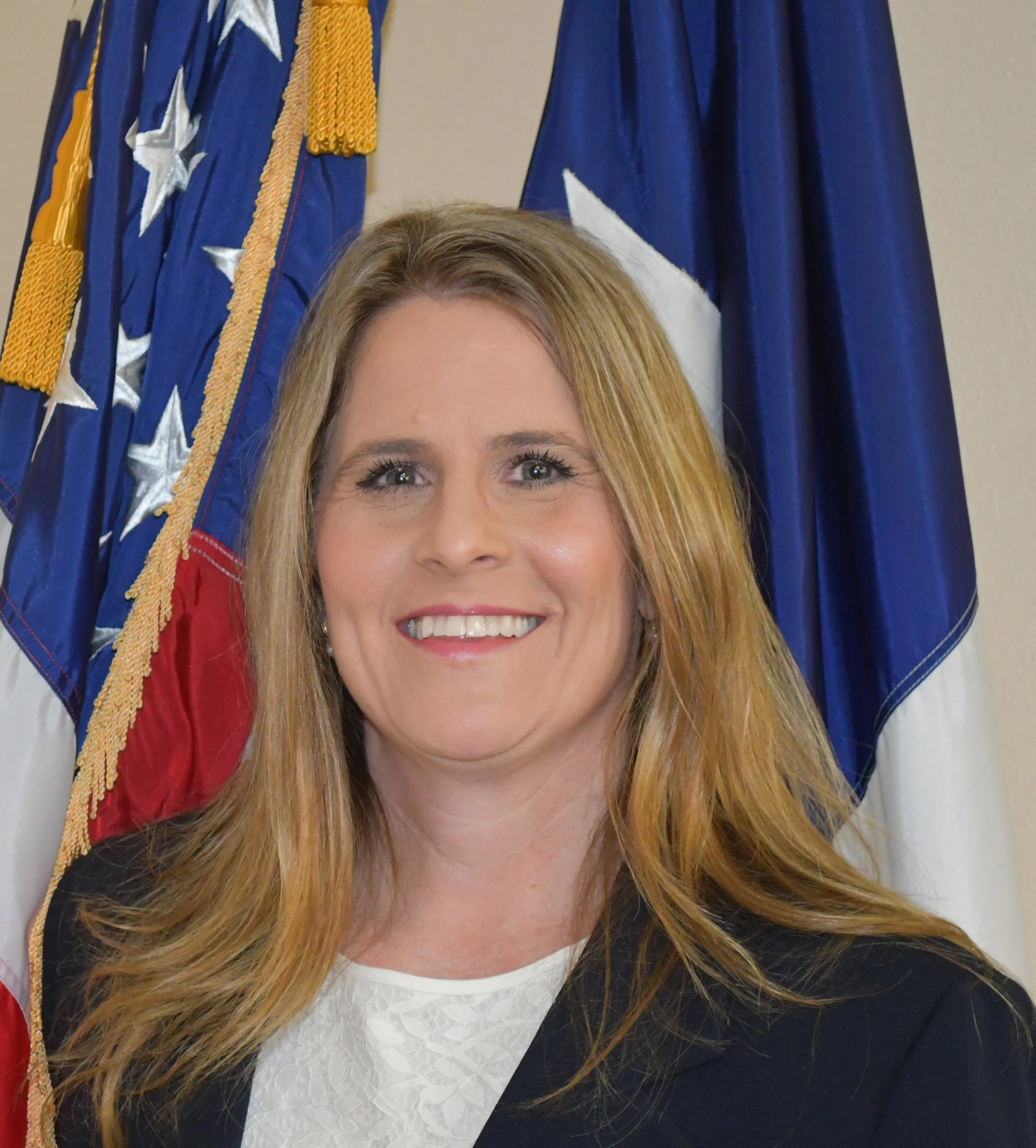
Kristy Oates is the State Conservationist for the USDA Natural Resources Conservation Service in Texas. Kristy leads a diverse workforce of approximately 600 employees in 228 field offices across Texas to deliver voluntary, private lands conservation assistance throughout the estimated 142 million acres of farms, ranches and family forests. Kristy holds a Bachelor of Science from Sam Houston State University and is a graduate of the USDA Emerging Leaders Development Program from The George Washington University Center for Excellence in Public Leadership.
Connect w/ NRCS on Facebook and on X @NRCSTexas
Learn how NRCS programs, regenerative agriculture practices, and conservation funding can help you improve soil, water, and long-term profitability. On this episode of Soil Sisters, Kristy Oates, USDA NRCS Texas State Conservationist, breaks down the agency's mission, programs, and real-world support for working lands.
We dig into EQIP and CSP funding, application timelines, and how payments actually work. Kristy also explains conservation easements, the new Regenerative Pilot Program, and how NRCS is working to simplify systems for producers.
Learn how to connect with your local USDA Service Center, why you don't need to apply for funding to receive help, and how NRCS supports both novice and experienced producers.
🎧 In this episode, we cover:
• How family farms and ranches can access free conservation technical assistance
• EQIP (Environmental Quality Incentives Program) and CSP (Conservation Stewardship Program) funding opportunities
• Application timelines, batching periods, and how NRCS payments work
• Regenerative agriculture practices and the NRCS Regenerative Pilot Program
• Conservation easements to help keep working lands in agriculture for future generations
• Water conservation strategies and watershed-based approaches for drought resilience
• How to get started with your local USDA Service Center
• Ways producers can shape conservation priorities through local workgroups and committees
Whether you're new to NRCS or looking to navigate its programs better, this episode is your practical guide to getting started and making conservation work for your operation.
Happy farming and healthy living, y’all.
Jo (and Crystal) ❤️
P.S. Receive Our TX Soil Sisters Newsletter by Signing Up Here. And Join Our Co-Op Here. 🙌
LISTEN TO THE PODCAST HERE:

💚 Our Sponsors walk the walk & talk the talk. 💚

✨ @drinktejastonic - The official beverage of the TX Soil Sisters ✨
When you buy Tejas Tonic you’re supporting a Texas farm that's vertically integrated into Texas-made products. The hemp for this blissful bevvy is organically farmed in the Texas Hill Country. Enjoy 15% off Tejas Tonic w/ code: SISTERS at checkout 💰
⚡️ @b_pelectric - The Soil Sisters Podcast is powered by B&P Electric ⚡️
Whether you’re building, remodeling, installing low-voltage landscape lighting, or in need of an inspection. B&P is your central Texas electrical contractor. Tell ‘em the Soil Sisters sent you. 😎
Save 15% w/ soilsisters15 at checkout.
🔥 FireHawk Bioherbicide 🔥 is a fast acting, non-selective contact herbicide that controls many common broadleaf and grassy weeds. From gardens and homesteads to vineyards and regenerative farms, FireHawk can be used for careful spot treatments around crops, landscapes, and non crop areas. And now FireHawk is available in super concentrate giving growers flexible high performance weed control that mixes easily with water. Learn more at firehawkbioherbicide.com and use code: soilsisters15 to save 15% on your purchase. 🔥
Time Stamps & Links
00:00 Welcome to the Soil Sisters Podcast
00:39 Meet Kristy Oates
02:44 NRCS Origins and Mission
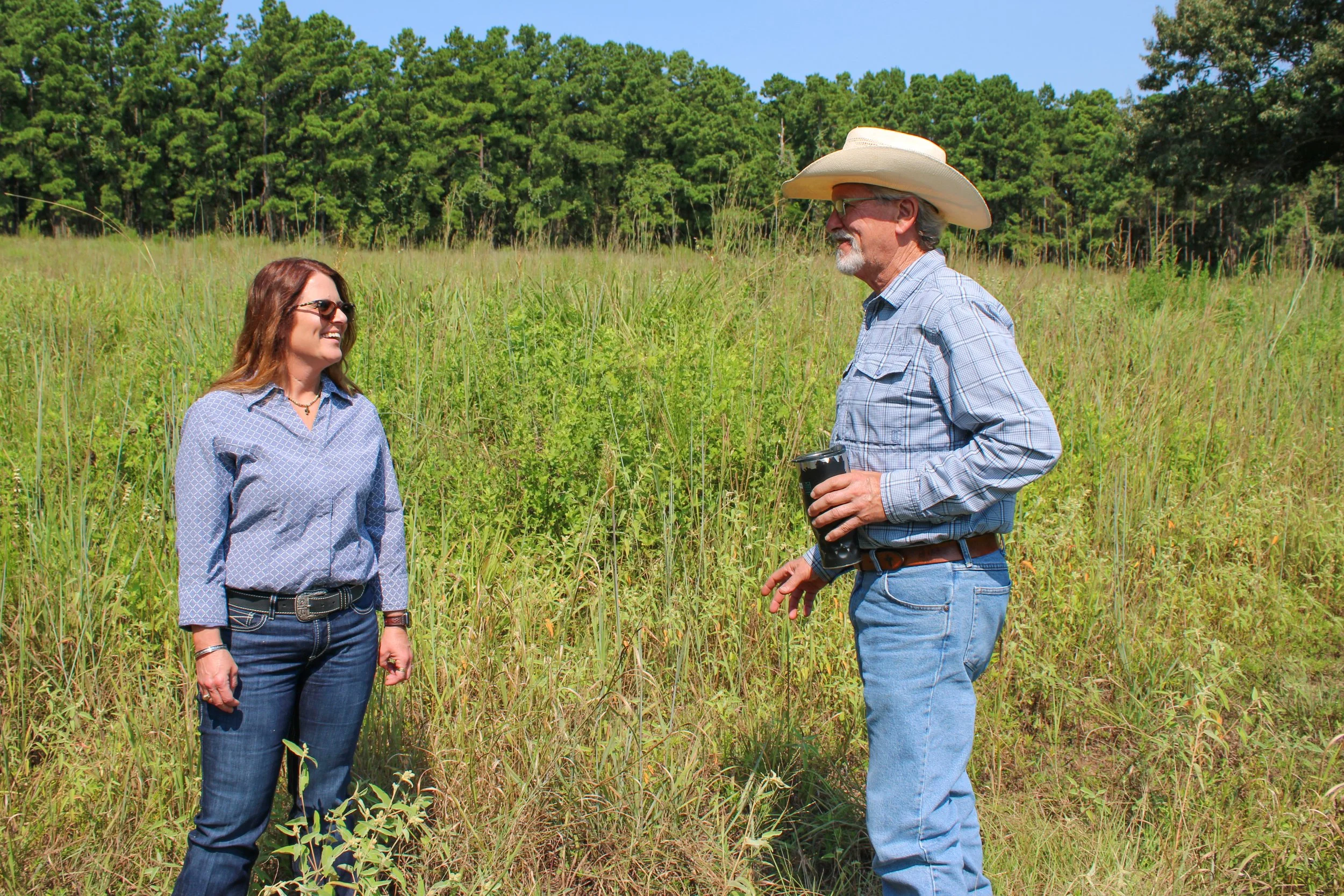
NRCS Boots on the Ground
04:41 Technical Assistance Access
09:51 Kristy's Background
14:41 EQIP and CSP Basics
17:21 Funding Timelines and Payments
20:20 Conservation Easements Explained
25:43 Regenerative Pilot Program
30:53 Follow Up and Record Keeping
36:26 Getting Started at USDA Office
42:08 Practice Standards and Feedback
44:59 Local Workgroups and Priorities
46:56 Water Conservation Focus
54:11 More NRCS Programs and Partners
58:35 How NRCS Guides Newcomers
01:00:53 Get Involved in the State Technical Committee Meeting and Closing